When ApolloMD partnered with MercyOne in Iowa, the physicians working in the emergency departments in Des Moines and West Des Moines had a decision to make.
I know firsthand that transitions in emergency medicine can create uncertainty. Physicians often worry about staffing changes, clinical expectations, and whether the culture of a department will shift overnight.
But for our team, something different happened. More than 90% of our physicians stayed and joined ApolloMD.
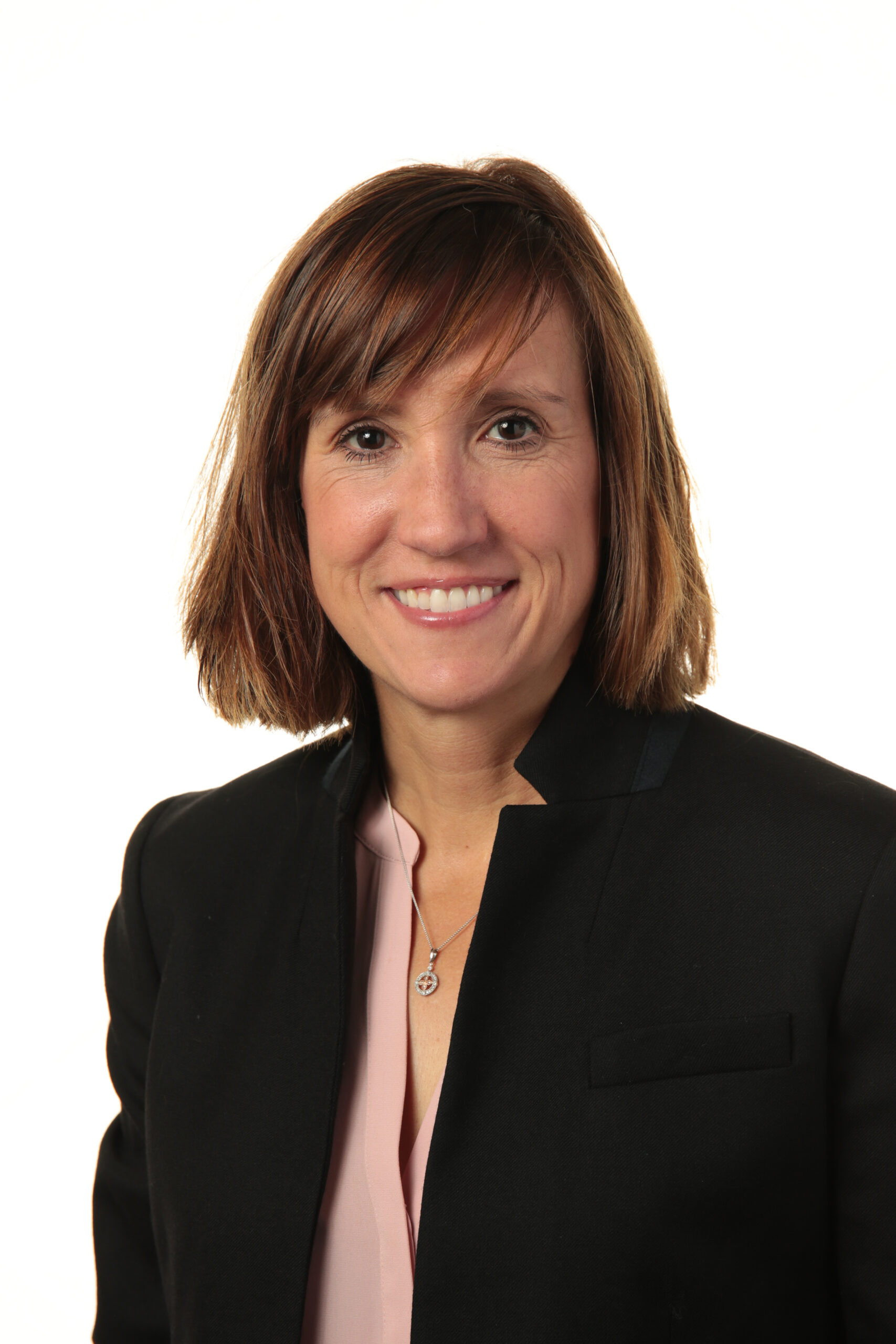
I’ve practiced emergency medicine at MercyOne for more than 16 years, and today I serve as medical director for the emergency departments in Des Moines and West Des Moines, as well as in a regional leadership role across Iowa with ApolloMD.
Like many of my colleagues, I watched closely during the early days of the transition. We paid attention to how leaders responded to questions, whether coverage held, and whether the work inside the department felt the same.
Over time, five things stood out.
1. ApolloMD Leaders Took Our Questions Seriously
From the beginning, ApolloMD leaders made time to talk with physicians individually.
No two situations were exactly alike. Some physicians wanted to understand retirement accounts. Others asked about compensation, benefits, or insurance coverage. Beneath many of those questions was a broader concern: why the change was happening at all.
What mattered was that our questions were taken seriously.
Everyone had the opportunity to talk through their individual circumstances and get answers. When details were still evolving, leaders followed up. That early communication set the tone for the transition.
2. Our Mission in the ED Stayed the Same
Once contracts were finalized, we went back to doing what emergency physicians do every day.
We walked into the same hospitals. We worked the same shifts. We treated the same patients with the same colleagues. That continuity mattered.
The work inside the emergency department didn’t suddenly change. Our mission remained exactly what it had always been: providing high-quality care to the patients who rely on us.
3. Staffing Stabilized
Recruiting physicians to Iowa has always been a challenge.
Before the transition, staffing gaps were a concern many of us shared. After ApolloMD came in, the recruiting infrastructure expanded and scheduling became more consistent.
Shifts were covered. The team wasn’t stretched unexpectedly.
In short, the disruption many of us feared never really materialized.
4. We Gained a Broader Network
One of the most noticeable changes came a few months into the partnership.
Our department didn’t just stay intact. It gained reinforcements.
Suddenly we had access to a broader network of emergency physicians across ApolloMD sites. We could compare experiences, share ideas, and look at emergency department data from across the system.
That perspective helped strengthen conversations inside our hospital.
When we talked about workflow, throughput, or patient flow, we weren’t just speaking from our own experience. We had data and insight from other emergency departments facing the same challenges.
5. Patient Care Remained the Priority
In emergency medicine, transitions are ultimately judged the same way everything else is judged: by what happens during a shift.
Physicians pay attention to the details. Are clinical decisions still in our hands? Are staffing levels safe? Does the department function the way it should?
Over time, what we saw was continuity in how we practiced medicine, paired with stronger operational support around us.
That combination made a difference.
A Stronger Voice
Looking back, one of the most meaningful outcomes has been how physicians feel within the system.
Many of us feel more valued and better understood as emergency clinicians.
We still provide care for our local community. But we’re also connected to peers across other emergency departments who understand the realities of the work.
For our team at MercyOne, the transition didn’t mean losing what made our department work.
If anything, it helped strengthen it.