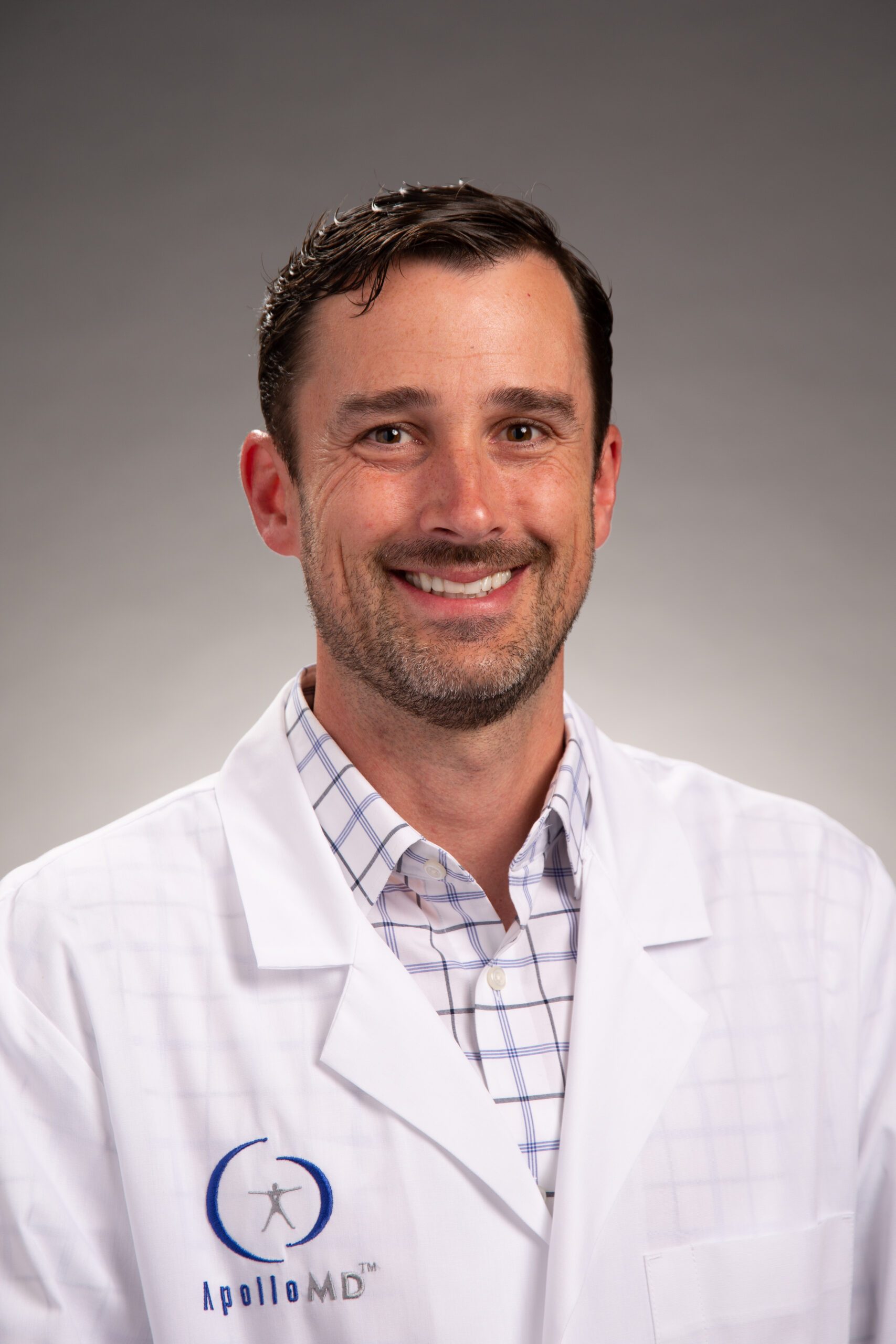
In May 2016, I opened my work mailbox and found three letters waiting for me.
Each one said the same thing. My employment at the hospital was terminated.
That was how I learned our emergency department would be transitioning to ApolloMD.
My physician partners and I had been practicing together for years, and hospital leadership did not mention a possible change in management structure. When we received those letters, the reaction across the group was immediate.
There was no happy in the beginning. It was all angry.
Many of us had built our careers here. I had been practicing emergency medicine at the hospital for nearly a decade. Some of the physicians in our group had known each other even longer.
When something like that happens, the first reaction is emotional. Some physicians wondered whether we should leave together and work somewhere else. Others talked about forming our own group and trying to win the contract ourselves.
At that moment, it felt very personal.
Deciding Whether to Stay
When the transition was first announced, the incoming leadership scheduled a meeting with our group.
I did not plan to attend.
I had three letters sitting in front of me, and my thinking at the time was simple. If my role at the hospital had ended, I was not required to go to a meeting.
Over the next week, several colleagues encouraged me to reconsider. They asked me to stay involved and eventually asked if I would consider serving as medical director.
At that point, I agreed to give the transition six months and see how things unfolded.
Nearly a decade later, I am still here.
What Actually Changed
One of the fears physicians often have during a transition is that everything about their practice will change overnight. There is concern about staffing levels, productivity expectations and compensation.
In our department, that did not happen.
From a physician’s standpoint, not much changed operationally when ApolloMD came in. One of the most noticeable differences was simple. We integrated a new online scheduling system that made things easier for the team.
More important for me was the support I received as I stepped into the medical director role. I had never planned to become a medical director. I am a frontline emergency physician first.
Even now, I still work regular shifts in the emergency department. This month alone I am scheduled for 17 clinical shifts. That has always been important to me.
Protecting the Team
My biggest priority during the transition was protecting the culture of our group.
These are not just colleagues to me. Many of them are close friends. One of the physicians in our department has known me since kindergarten. Others have practiced together for years.
In emergency medicine, where burnout is common, maintaining trust within a team is critical.
For me, leadership meant being transparent about the things physicians care about most. That included compensation structures and scheduling decisions. When those things are clear, trust tends to follow.
With transparency, there comes trust.
That approach helped our group move through what was, at times, an uncertain transition period.
Looking Back
When I hear about physicians in other hospitals going through similar transitions today, I understand their reaction immediately.
I felt the same emotions at the beginning.
Transitions can feel disruptive, especially when physicians learn about them suddenly. The early days can be frustrating and uncertain.
Over time, though, what matters most is the team you work with every day.
I still see myself first as an emergency physician who happens to have a leadership role.
I love my job because I like my team: the physicians, nurses, administrators and staff who work alongside us in the department.
The beginning of our transition was difficult. There is no question about that.
But nearly 10 years later, the team is still here, the culture remains strong, and we continue to take care of patients together.
For me, that is what ultimately mattered most.