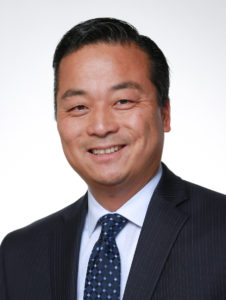
In 2017, our emergency department was facing several major changes at once.
We had operated as a democratic physician group in the western suburbs of Chicago for years, but six of our twelve physician partners left during the transition to ApolloMD. Around the same time, we were opening a freestanding emergency department, expanding our use of advanced practice clinicians (APCs), and preparing to welcome emergency medicine residents.
Like many physicians facing a transition, we had questions.
What would happen to our department? Would our culture change? Would leadership still have a voice? Would practicing here feel different?
I served as medical director before the transition and remained in that role afterward. Working in a close-knit community hospital, I knew nearly everyone on the medical staff. Hospital leaders made it clear that local leadership would remain in place, which helped reassure physicians across the organization.
Looking back, that’s one of the reasons the transition was successful. ApolloMD didn’t come in to replace what was already working. They came alongside us and asked one simple question:
“What can we do to help?”
Strengthening What Already Worked
One of the biggest concerns physicians have during any practice transition is losing autonomy.
That wasn’t our experience.
Our compensation remained competitive, physician coverage stayed strong, and as we expanded our APC team, we were able to increase clinical coverage where we needed it most. More importantly, our physicians never felt like decisions were being made for us.
ApolloMD didn’t arrive with a checklist of changes or try to reinvent our department. They stayed in the background. When we asked for help, ApolloMD stepped in. We kept what already worked and gained resources for recruiting, staffing, and patient flow.
That approach created trust.
Instead of feeling like we had become part of a large organization, it felt like we suddenly had a much larger team supporting the work we were already doing.
Rebuilding the Right Team
One of our biggest priorities was rebuilding our physician group.
ApolloMD’s recruiting resources made a tremendous difference. Rather than simply filling open shifts, we were able to interview physicians who were the right fit for our department and our culture. Over time, we built a younger, energized team that earned the confidence of our medical staff and worked well together.
Around the same time, we were expanding our use of APCs. It was a new model for many people in our hospital, and there was understandable hesitation.
ApolloMD connected us with emergency departments of a similar size that had already implemented successful physician-APC models. We learned from their experience, defined clear roles, and developed a staffing model that worked for our department.
As people saw the model succeed, that hesitation disappeared. Other departments throughout the hospital eventually began incorporating APCs into their own teams.
For me, that’s one of the biggest benefits of being part of a physician-led organization. You aren’t starting from scratch. You have access to colleagues across the country who have faced similar challenges and are willing to share what they’ve learned.
Better Support Leads to Better Patient Care
The additional staffing gave us opportunities to rethink how we cared for patients.
Previously, physicians focused on patients in one assigned area. Over time, we shifted our mindset. Instead of working as individual sections, we began thinking about the department as one team.
If another area became busy, physicians stepped in to help.
That simple cultural shift made a tremendous difference.
ApolloMD also partnered with us to evaluate patient flow. Their operational leaders visited the department multiple times, worked alongside our physicians, and helped us redesign our triage process.
The process redesign helped reduce the left-without-treatment rate, which is consistently below two percent and often below one percent.
Those improvements weren’t the result of someone telling us to work harder. They came from having the right people, the right staffing, and the right operational support behind us.
A Place to Grow
Emergency medicine residents began rotating with us around the same time.
Our physicians were already learning to work with and supervise a broader care team. Now residents also presented cases and looked to them for guidance. It was a big change from seeing every patient on our own.
Now our physicians ask, “Do we have residents on today?” They look forward to working with them.
Residents bring fresh perspectives, current knowledge, and academic energy into the department. They challenge us to keep learning, and they remind us why many of us chose emergency medicine in the first place.
Leadership That Supports Physicians
I’ve always believed that leadership should focus on supporting people rather than controlling them. I try to recognize what people are doing well and coach them when something needs attention. If I bring someone into my office, it is rarely going to be a negative experience.
ApolloMD has worked with us in much the same way.
When we needed help with patient flow, ApolloMD sent people to evaluate the department and work through the problem with us. When we needed more clinicians, recruiters brought us candidates.
My advice to another group facing a similar transition is simple: Trust the process.
ApolloMD is not coming in to take over the department or change everyone’s life. The company will work with the local team, keep what is already working, and help where the team needs it.
That kind of support matters in emergency medicine. The work can be stressful. My goal is to keep that stress as low as possible and give physicians the resources they need. I want them to have long careers and I want the same for myself.
Why I’m Still Here
After 25 years, I still enjoy coming to work.
We have a stable physician group, strong relationships across the hospital, and a department that continues to evolve while staying true to the culture we’ve built together.
The success of our emergency department also opened new opportunities for me to serve as vice president of the medical staff while continuing to practice more than ten clinical shifts each month. Staying active in the department keeps me connected to the physicians I lead and reminds me every day why this work matters.
Emergency medicine will always be challenging, but having the right people beside you makes all the difference.